Time Machines…

At a garage sale I picked up a book entitled, A Lady’s Life in the Rocky Mountains by Isabella Bird, who, according to the cover blurb was “a Victorian Englishwoman” – an intrepid lady traveler of the late nineteenth century.

These journalized or epistolary (letter based) accounts of the past, primary sources, are a fun way to study history. Their first-person perspective is always a refreshing change from most analytical histories on the bookstore shelf. Such perspectives, untainted by revision or assumptions are the actual thoughts of those who lived the past, warts and all.

Good intentions

I like this genre so much that I have two other books of this type in my reading pile. Mollie: The Journal of Mollie Dorsey Sanford by the aforementioned Mollie Dorsey Sanford and Daughter of the Regiment: Memoirs of a Childhood in the Frontier Army, 1878-1898 by Mary Leefe Laurence. Neither of which I have finished. For, unlike fiction, journals have their boring days, even historical journals, which tempts me to put them down and reach for something more exciting.

This is a conundrum of historiography (the study of the study of history) – the boring stuff. What do we do with it? Read, skip it, or write about it in painful detail? There are authors who do that!

Acknowledge it. If our lives were daily filled with fast-paced action, danger, and intrigue, we’d be neurotic! The boring stuff lets us live a saner life.

Life is in the details

Maybe boring is too much of a condemnation; call it instead daily life, the details of living. Stopping for a pretty sunset, relaxing in an empty hour with a good book, washing the clothes, fixing a meal, etc. These things go on, even when the danger of wars, upheaval and panic have passed.

I suspect my curiosity will get the best of me and I’ll drift back to Mollie, Mary or Isabella and finish their works. The rich detail of the eras in which they lived adding to a greater knowledge of life in the past.

If you’re stuck for an interesting history read, try an historical journal – your very own guided trip back in time.

Every little piece of history…

I think there is a misconception about history. That you have to slog through a massive tome on the more esoteric details of Early Modern Germany, or whatever, in order to really grasp history.

If you get a kick out of Early Modern Germany, then great, enjoy, and there are some of us who do. However, in order to develop a working knowledge of history you really just need a good, solid curiosity and a few resources.

I personally will slog through the heavy volumes from time to time, but I also like a good documentary. Usually the fare of PBS, the BBC, and the History Channel, documentaries are a great framework from which to build a knowledge of history.

Why documentaries?

I like them especially for a couple of reasons. First, they are visual and visual people need to see something. Drawing word pictures in your mind from a book is fine, but to understand an historical event it helps if you can take a gander at the actual surroundings where it took place.

Secondly, a good documentary can help you overview a topic because no matter how detailed or specific the subject is, producers assume the audience will initially know nothing about whatever it is they are covering. Say you are doing a show on Hitler’s advance into Russia – most people know something about WWII, but generally the writers and producers will give a short overview of the war at the start.

This is like Cliffs Notes for history novices – a quick review or introduction that helps you wrap your mind around the topic and secure the details in the chronology of history.

Thirdly, a great presenter can make history come alive.

Docu-nots

Okay, now for the downside – documentaries will have a bias. You may agree with it, you may not. If you don’t, don’t watch it or watch it with reservations – there may be some interesting facts still to be gleaned.

Finally, just like a great presenter can make a great documentary, a really crummy presenter can bore you to tears – find the good ones, usually by trial and error.

Netflix.com, Hulu.com, and the like make history videos readily available, as do libraries. Search them out and add one to your regular rotation of entertainment.

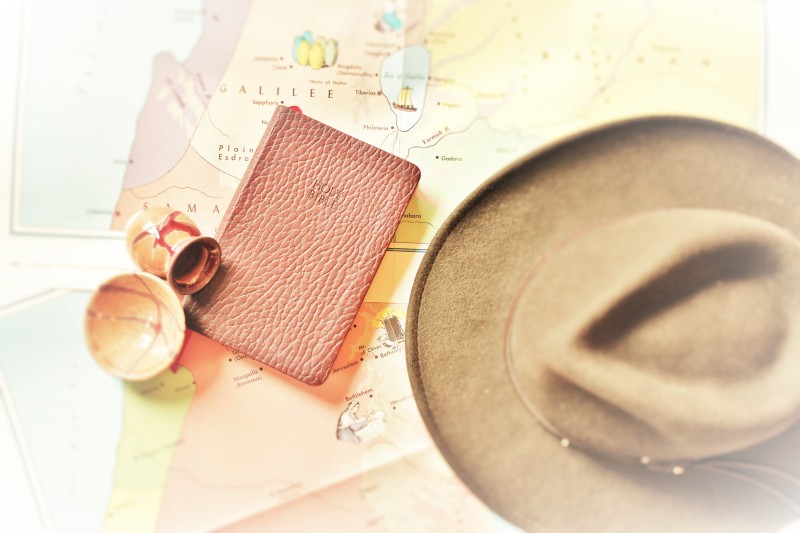
Every little piece of history is one more part of the puzzle. One more fact, event or personality that helps us understand what mankind has done and will do. Put on your Indiana Jones fedora, sling your bull-whip over your shoulder and get exploring!

That takes me back…

History.

We all have a history and so does the world.

History happens every day. Think of it as one long, ongoing museum display – each day new images are created, new events occur, new biographies are lived – and with technology we see more of it, or ignore more of it than ever before.

Strange though it may seem, history is actually cyclical. What happens in the past will affect the future, and what happens in the future will affect how we view the past. Crazy, but true.

Join me on this web log for a journey into the past, the present, and the future. One historical event at a time!